Base Camp
Sankri
Region
Uttarakhand
Trek Grade
Easy To Moderate
Trek Distance
20 Kms
Trek Duration
5 days
Highest Altitude
12,500 ft.
Best Season
Nov to April
Nearest Airport
Dehradun
Pick & Drop Point
Dehradun Railway Station
Railway Station
Dehradun
Region
Uttarakhand
Base Camp
Sankri
Trek Grade
Easy To Moderate
Trek Distance
20 Kms
Trek Duration
5 days
Highest Altitude
12,500 ft.
Best Season
Nov to April
Pick & Drop Point
Dehradun Railway Station
Nearest Airport
Dehradun
Railway Station
Dehradun
Contact Us
₹ 10,500
₹ 4,999
+5% GST
+5% GST
- Transport Included | From Dehradun & Return
ABOUT KEDARKANTHA TREK
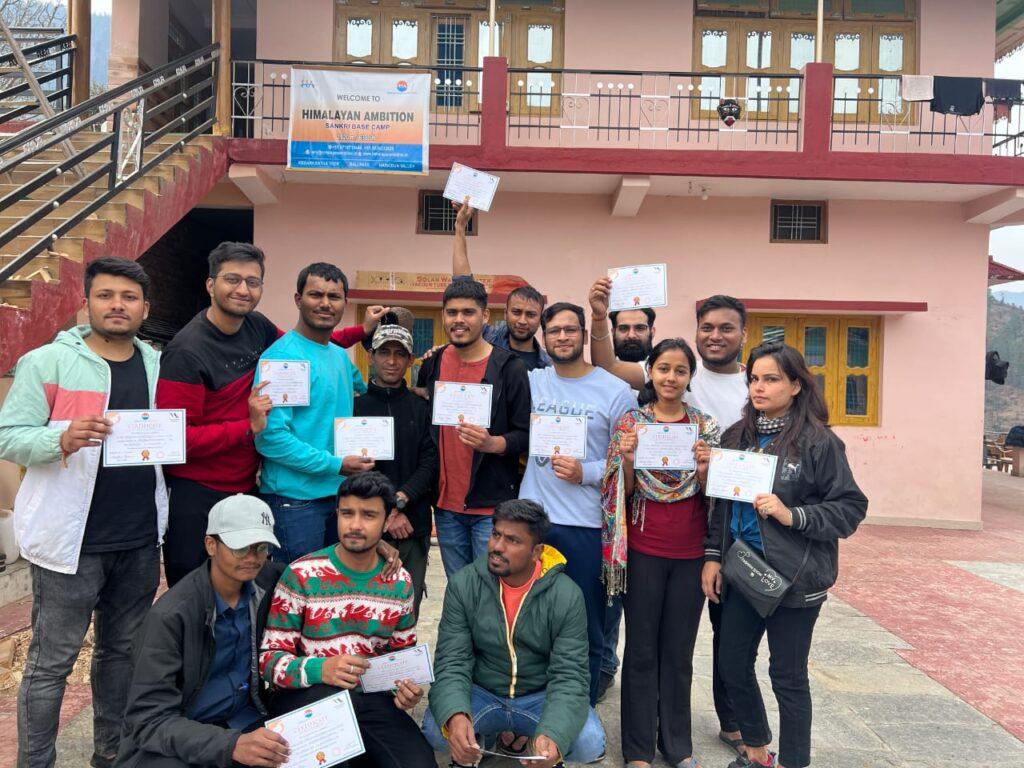
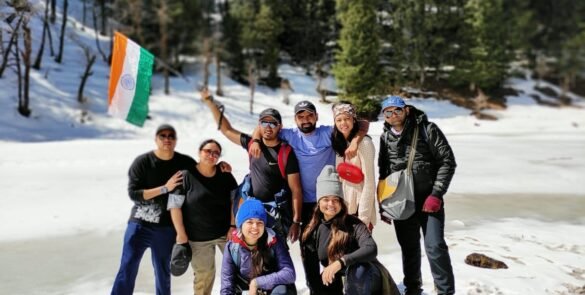
Located at an altitude of 12,500ft., Kedarkantha is one of the most famous winter treks in Uttarakhand. Kedarkantha is well-known for its striking and magnificent beauty. During winters enclosed in sparkling snow, this trek presents the tremendous look of the royal Himalayan peaks. It also offers its trekkers a unique chance to experience life in the outmost of villages that too in dead winter. If you really want to enjoy nature at its best and experience an amazing trek then the Kedarkantha trek is definitely the best option for you. During the trek, you will pass through fascinating pretty sights, snow tracks, rich forests as well as fields.
This trek is ideal for both beginners and seasoned trekkers due to the simple endurance of the trail. While trekking, you will get the chance to camp around frozen Juda Ka Talab where once Lord Shiva used to meditate. Kedarkantha trek is sure to give you supreme beauty, glorious sights of the beautiful villages, snow paths, intense landscape dotted with eye-catchy lakes, meadows, mountains, the great Himalayan peaks as well as soothing rivers. In case, you are a mountain lover who wants to explore every inch of the terrains then the Kedarkantha trek is going to be an utter delight for you. You need to know that Kedarkantha is covered with snow from December to April, making it one of the top treks in Uttarakhand.
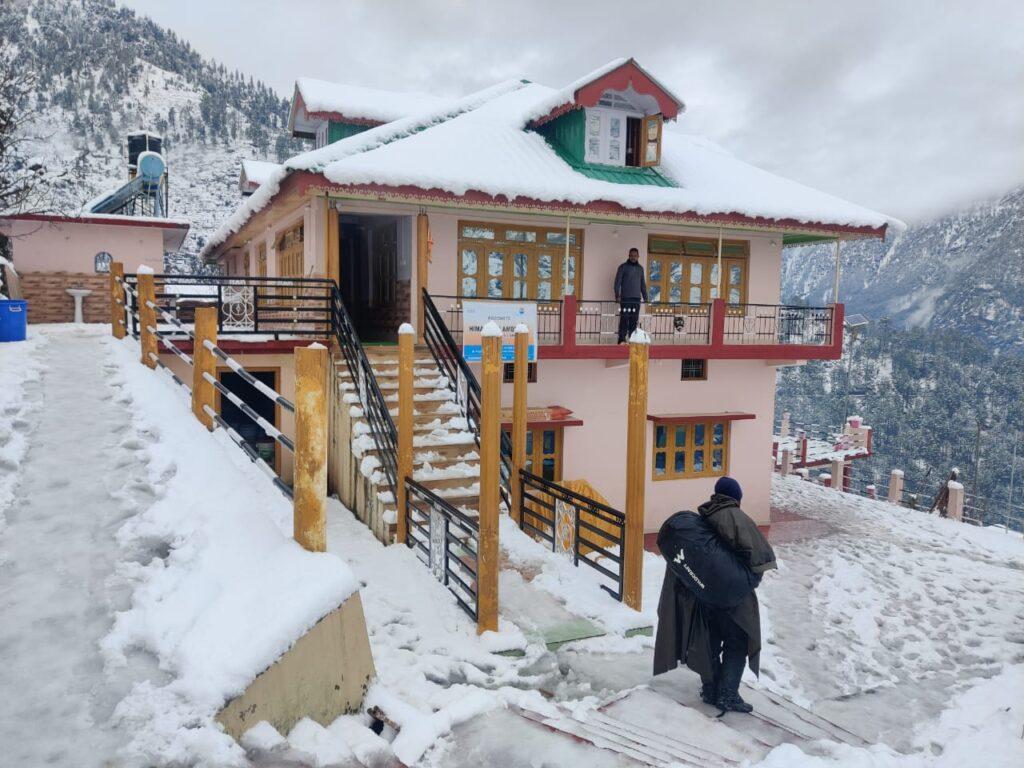
Kedarkantha trek summit is settled in Govind Wildlife National Sanctuary Park of Uttarkashi. While trekking you will see this enthralling peak is surrounded by different attractive river valleys. November to the last week of April is the best time to plan for this trek as you can find a lot of snow here. The campsites of this trek are a treat for your eyes as they are covered with snow from mid-November. Currently, Kedarkantha is considered the top trek of the Uttarakhand Himalayas. If you love enjoying mind-blowing sunrise and sunset then you must plan for the Kedarkantha trek at least once in your life. This trek begins from a traditional village named Sankri which is present in the Govind Wildlife Sanctuary National Park. Sankri is very beautiful with snow-capped mountains as well as the twinkling river flowing through it. Knee-deep snow in winters, compelling sights from the top, and gorgeous and simple trails, make Kedarkantha a widespread trek among trekkers. You need to know trekkers from across the world come to experience the splendid beauty of this trek.
Remember every trek in the Himalayas is considered special and renowned for its incredible beauty. Trekking not only gives you the chance to get a perfect dose of nature which is not possible in cities. Not only this, but trekking also gives you an opportunity to extend your physical and psychological bounds.
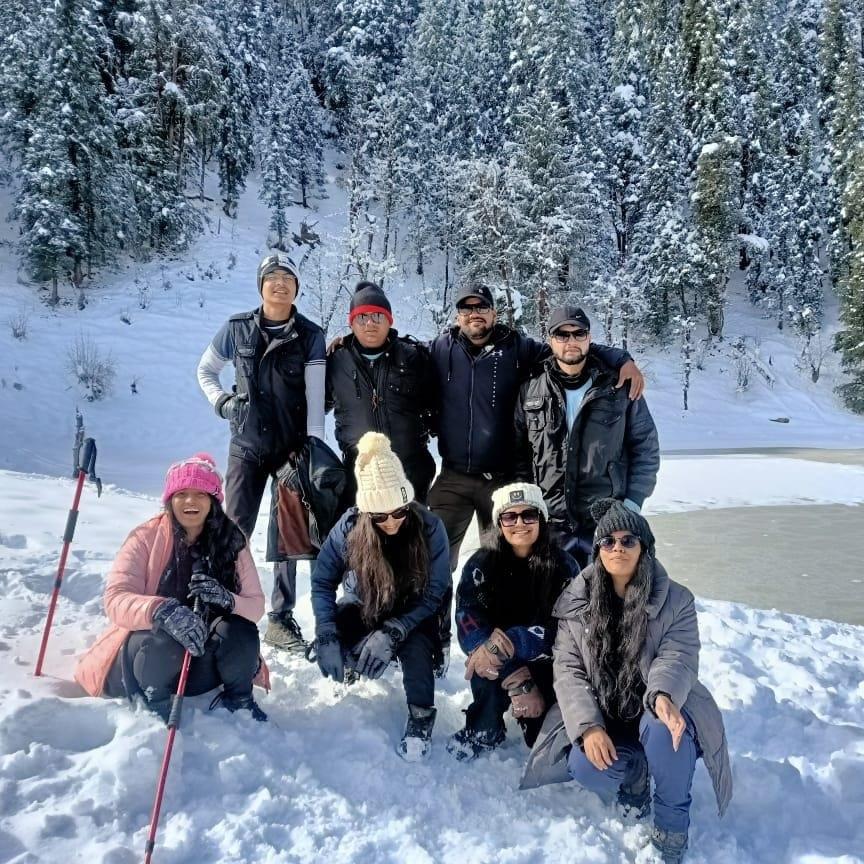
So, if you like trekking and want to experience nature at its best then you must surely plan your trip to Kedarkantha and rejuvenate yourself in the beauty of the scenery.
FIX DEPARTURE
1st, 2nd, 3rd, 4th, 5th, 6th, 7th, 8th, 9th, 10th, 11th, 12th, 13th, 14th, 15th, 16th, 17th, 18th, 19th, 20th, 21st, 22nd, 23rd, 24th, 25th, 26th, 27th, 28th, 29th, 30th November.
1st, 2nd, 3rd, 4th, 5th, 6th, 7th, 8th, 9th, 10th, 11th, 12th, 13th, 14th, 15th, 16th, 17th, 18th, 19th, 20th, 21st, 22nd, 23rd, 24th, 25th, 26th, 27th, 28th, 29th, 30th, 31th December.
1st, 2nd, 3rd, 4th, 5th, 6th, 7th, 8th, 9th, 10th, 11th, 12th, 13th, 14th, 15th, 16th, 17th, 18th, 19th, 20th, 21st, 22nd, 23rd, 24th, 25th, 26th, 27th, 28th, 29th, 30th, 31th January.
1st, 2nd, 3rd, 4th, 5th, 6th, 7th, 8th, 9th, 10th, 11th, 12th, 13th, 14th, 15th, 16th, 17th, 18th, 19th, 20th, 21st, 22nd, 23rd, 24th, 25th, 26th, 27th, 28th February.
1st, 2nd, 3rd, 4th, 5th, 6th, 7th, 8th, 9th, 10th, 11th, 12th, 13th, 14th, 15th, 16th, 17th, 18th, 19th, 20th, 21st, 22nd, 23rd, 24th, 25th, 26th, 27th, 28th, 29th 30th, 31th March.
FAQs
The best time to do the trek is from November to March, when the trail is covered in snow, offering stunning winter landscapes
The trek is easy to moderate in difficulty and is ideal for beginners with basic fitness, as well as experienced trekkers.
The complete trek duration is 5 days (Dehradun to Dehradun), including travel and trekking.
The summit stands at approximately 12,500 ft (3,810 meters) above sea level.
Key items include:
Warm layered clothing
Waterproof trekking shoes
Gloves, woolen cap, sunglasses
Poncho/rain cover
Headlamp/torch
Personal medicines & first aid
Water bottles & energy snacks
Yes, forest permits are mandatory and are arranged by authorized trekking agencies.
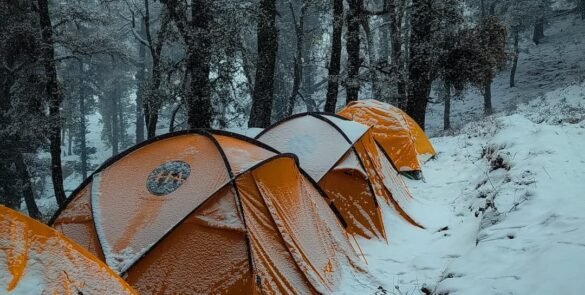
Accommodation is provided in tents at designated campsites, on a twin/triple sharing basis.
Winter (Dec–Mar): +10°C to -10°C with snowfall
Autumn (Oct–Nov): 5°C to 15°C with clear skies
Temperatures drop significantly at night, so proper winter gear is essential.
Yes, the trek is considered safe. Reputed trekking companies provide certified guides, group departures, and proper arrangements, ensuring safety for solo and female trekkers.
Only basic first aid is available with trek leaders. In case of emergencies, evacuation to the nearest town may be required.
Yes, prior trekking experience is not mandatory. However, basic fitness and stamina are important for a comfortable experience.
The cost typically ranges between ₹7,000 to ₹9,000 per person, depending on inclusions, group size, and operator.
The cost typically ranges between ₹7,000 to ₹9,000 per person, depending on inclusions, group size, and operator.
Yes, as per local regulations, it is recommended to trek with a registered trekking agency, which also ensures safety and permit management.
It is advisable to book at least 2–4 weeks in advance, especially during peak winter months.
Mobile network is limited. You may get signal at Sankri (mainly BSNL/Jio), but there is usually no connectivity during the trek.
Nutritious vegetarian meals are provided, including breakfast, lunch, evening snacks, and dinner, designed to keep energy levels high.
For the Kedarkantha Trek, it is recommended to build basic stamina and endurance before your journey. You should engage in 30–45 minutes of daily walking or jogging, along with regular cardio exercises and stair climbing to strengthen your legs and improve overall fitness. Ideally, this preparation should begin at least 2–3 weeks prior to the trek to ensure a comfortable and enjoyable trekking experience.
Basic toilet tents (dry pit toilets) are provided at campsites and maintained by the trekking staff.
Charging is available only at Sankri base camp. No electricity is available on the trail, so carrying a power bank is highly recommended.
Alcohol and smoking are strictly discouraged, as they increase the risk of altitude sickness and dehydration.
Kedarkantha Trek - DETAILED ITINERARY
Pickup Points: Prince Chowk, Dehradun Railway Station
Reporting Time: 07:00 AM
Drive Distance: 190 km
Drive Duration: 8–10 hours
Altitude: 6,300 ft
Meals Included: Dinner
Stay: Hotel / Homestay
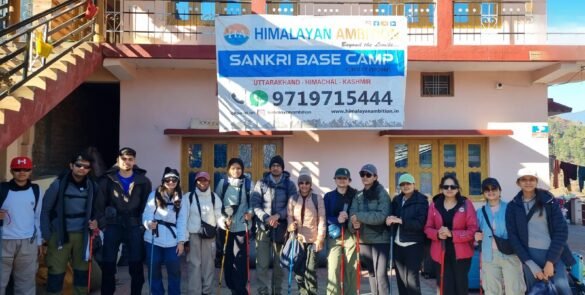
Your journey begins from Dehradun early in the morning after a brief introduction and verification process. The drive towards Sankri is extremely scenic, passing through Mussoorie or Vikasnagar, followed by Purola and Mori, alongside the beautiful Tons River. You will witness changing landscapes—from urban settlements to dense forests and remote Himalayan villages. Short halts will be provided for breakfast and refreshments (self-paid). As you approach the Govind Wildlife Sanctuary region, the surroundings become more serene and forested. By evening, you will reach Sankri village, the base camp of the trek. After check-in at your hotel or homestay, you can relax and acclimatize. Enjoy a warm dinner and briefing for the upcoming trekking days.
Distance: 4 km
Duration: 4–6 hours
Altitude Gain: 6,400 ft to ~9,100 ft
Difficulty: Easy
Meals Included: Breakfast, Lunch, Dinner
Stay: Tented Camps
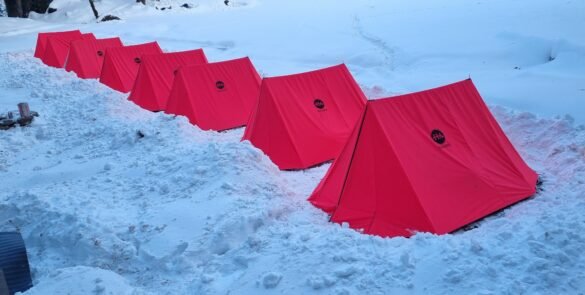
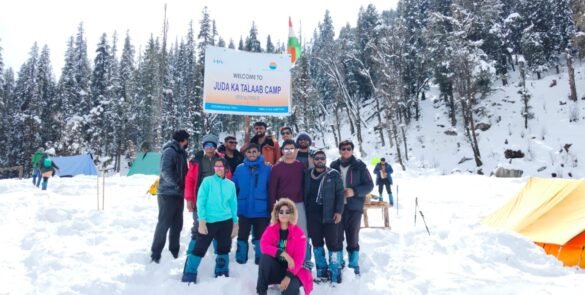
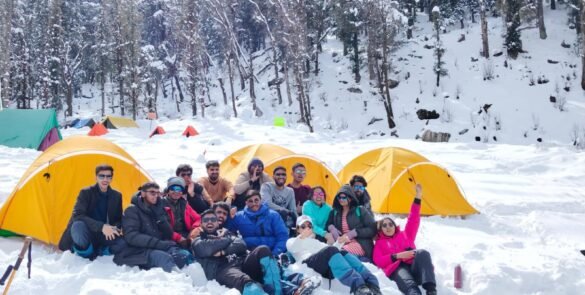
After breakfast, begin your trek through dense forests of pine and oak. The trail gradually ascends and is well-marked, making it suitable even for beginners. The forest environment is peaceful, with occasional clearings that offer stunning views of valleys and snow-covered peaks during winter. The gradual climb allows proper acclimatization while keeping the trek enjoyable. You will take short breaks en route for rest and hydration. By afternoon, reach Juda Ka Talab, a serene alpine lake surrounded by tall pine trees. In winter, the lake freezes, creating a magical campsite. After arrival, tents will be allocated, followed by hot meals and relaxation. Spend your evening soaking in the natural beauty before retiring for the night.
Distance: 3 km
Duration: 4–5 hours
Altitude Gain: ~9,100 ft to ~11,250 ft
Difficulty: Easy
Meals Included: Breakfast, Lunch, Dinner
Stay: Tented Camps
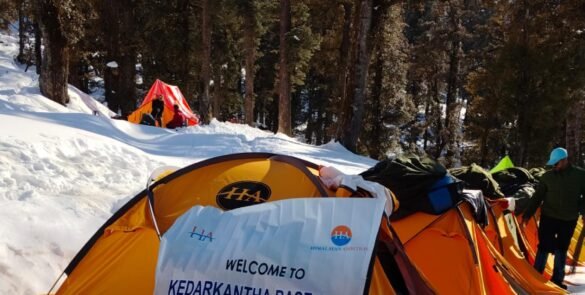
Today’s trek is shorter but involves a steeper climb. After breakfast, begin your ascent towards Kedarkantha Base Camp. The trail gradually opens up as you move out of dense forests into wider clearings with panoramic views of the Himalayan ranges. Depending on the season, you may encounter snow patches, making the trek more adventurous. The climb demands steady pacing and proper hydration. Upon reaching base camp, you will be welcomed by breathtaking views of peaks like Swargarohini, Bandarpoonch, and Black Peak. After lunch, the remaining day is kept for rest and acclimatization. A detailed briefing will be conducted by the trek leader regarding the summit climb, safety measures, and equipment usage.
Distance: 3 km ascent + 6 km descent
Duration: 7–8 hours
Summit Altitude: 12,500 ft
Difficulty: Easy to Moderate
Meals Included: Breakfast, Lunch, Dinner
Stay: Tented Camps
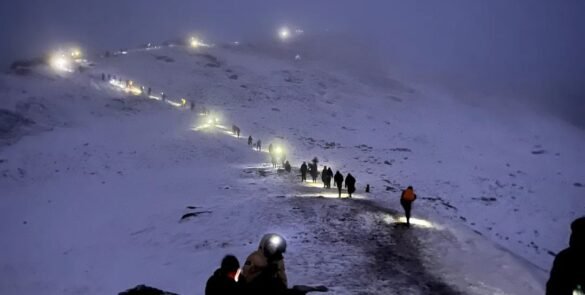
This is the most important and rewarding day of the trek. You will start early morning around 2:00–3:00 AM with headlamps for the summit push. The trail is steep and may be covered in snow depending on the season, requiring careful footing. Upon reaching the summit, you will witness a breathtaking sunrise and 360-degree views of the Himalayan ranges, including Swargarohini, Bandarpoonch, and Black Peak. After spending time at the summit, begin your descent carefully back to base camp and continue further down to Juda Ka Talab campsite. This day is physically demanding but offers the most memorable experience of the trek. Enjoy a well-deserved dinner and rest at the campsite.
Trek Distance: 4 km
Trek Duration: 2–4 hours
Drive Distance: 190 km
Drive Duration: 8–10 hours
Meals Included: Breakfast
After breakfast, begin your descent from Juda Ka Talab to Sankri through the same scenic forest trail. The downhill trek is relatively easy and allows you to revisit the natural beauty of the region. Upon reaching Sankri, you will have time to freshen up before starting your return journey. The drive back to Dehradun follows the same route via Mori and Purola along the Tons River valley. You are expected to reach Dehradun by late evening (8:00–10:00 PM).
This marks the end of your memorable journey with us. We bid you a warm goodbye and wish you a safe and comfortable onward journey. Our services conclude here, and we hope to host you again for another Himalayan adventure.
FIX DEPARTURE
1st, 2nd, 3rd, 4th, 5th, 6th, 7th, 8th, 9th, 10th, 11th, 12th, 13th, 14th, 15th, 16th, 17th, 18th, 19th, 20th, 21st, 22nd, 23rd, 24th, 25th, 26th, 27th, 28th, 29th, 30th November.
1st, 2nd, 3rd, 4th, 5th, 6th, 7th, 8th, 9th, 10th, 11th, 12th, 13th, 14th, 15th, 16th, 17th, 18th, 19th, 20th, 21st, 22nd, 23rd, 24th, 25th, 26th, 27th, 28th, 29th, 30th, 31th December.
1st, 2nd, 3rd, 4th, 5th, 6th, 7th, 8th, 9th, 10th, 11th, 12th, 13th, 14th, 15th, 16th, 17th, 18th, 19th, 20th, 21st, 22nd, 23rd, 24th, 25th, 26th, 27th, 28th, 29th, 30th, 31th January.
1st, 2nd, 3rd, 4th, 5th, 6th, 7th, 8th, 9th, 10th, 11th, 12th, 13th, 14th, 15th, 16th, 17th, 18th, 19th, 20th, 21st, 22nd, 23rd, 24th, 25th, 26th, 27th, 28th February.
1st, 2nd, 3rd, 4th, 5th, 6th, 7th, 8th, 9th, 10th, 11th, 12th, 13th, 14th, 15th, 16th, 17th, 18th, 19th, 20th, 21st, 22nd, 23rd, 24th, 25th, 26th, 27th, 28th, 29th 30th, 31th March.
THINGS TO CARRY
- Backpack & Rain Cover (50-70 Litres)
- Hiking bag (20 litre)
- Trekking Shoes (Ankle Shoes)
- Warm clothes
- Water Bottles
CLOTHES
- Jacket (Down or padded)
- Fleece or woolen clothes
- Trek pants and Trousers
- T-shirts (collar and full sleeves)
- Thermal inner wears (both upper and lower)
- Woolen or Fleece cap
- Hand Gloves
- Socks (4 pairs)
- Neck cover, Muffler, Balaclava, any
ACCESSORIES
- Sunglasses
- Sunscreeen Lotion (SPF 50/70)
- Moisturizer and Lip Balm
- Sun cap
- Raincoat and Ponchos
- Power banks
- Trekking pole
- Headlight
OTHERS
- Small Hiking bag (10-20litre) (for summit climb or if you opt to offload your backpack)
- Tiffin box
- Flip flops
- Glucose, Dry fruits
- Personal Toiletries kit
- Toilet paper roll and sanitizer
- Personal basic medical kit
MANDATORY DOCUMENTS
- Original with photocopy of government photo identity card any one (Passport, Aadhaar Card, Driving license or Voter ID)
INCLUSIONS
- Transportation : Dehradun to Sankri and return. Accommodation (Hotel, Homestay, Camping)
- Meals : All Meals as per menu from first day Dinner to last day Breakfast at basecamp; Vegetarian Meal.
- Accommodation (Hotel, Homestay, Camping)
- Camping charges : Camping and forest permit fees for Indian Nationals.
- Trekking equipment : High quality tents (living tent- triple sharing, kitchen tent, dinning tent, toilet tent)
EXCLUSIONS
- Meals during road journeys
- Insurance
- Any personal expenses
- Mules or porter to carry personal luggage
- Anything apart from inclusions
Backpack Offloading Charges
• Offload your backpack to a mule or porter to lighten your load during the trek.
• Offloading charges range from ₹300 to ₹900 per day per bag, depending on the specific trek.
• Ensure your backpack weighs less than 11 kg and is equipped with a waterproof cover.
• Suitcases, trolleys, or duffel bags are not allowed.
POLICY
Booking Confirmation Policy
• The customer receives a Booking confirmation receipt immediately via Email and WhatsApp of a successful booking.
Cancellation policy
In the event you cancel your trek, cancellation policy we follow :
• Cancellation 20 days before the starting date of the trek – Refund with 10% cancellation charges.
• Cancellation 10 days before the starting date of the trek – Refund with 50% cancellation charges
• Cancellation less than 10 days from the starting date of the trek – No refund
Note: HA gives you a facility in the event of cancellation due to some reason to transfer your trek (same trek and same batch) to your friend.
REFUND :
• The refund will be given in the form of a trek voucher with 1 year validity, you will get an email for your trek voucher, which will take up to 7 working days.
FAQs
The best time to do the trek is from November to March, when the trail is covered in snow, offering stunning winter landscapes
The trek is easy to moderate in difficulty and is ideal for beginners with basic fitness, as well as experienced trekkers.
The complete trek duration is 5 days (Dehradun to Dehradun), including travel and trekking.
The summit stands at approximately 12,500 ft (3,810 meters) above sea level.
Key items include:
Warm layered clothing
Waterproof trekking shoes
Gloves, woolen cap, sunglasses
Poncho/rain cover
Headlamp/torch
Personal medicines & first aid
Water bottles & energy snacks
Yes, forest permits are mandatory and are arranged by authorized trekking agencies.
Accommodation is provided in tents at designated campsites, on a twin/triple sharing basis.
Winter (Dec–Mar): +10°C to -10°C with snowfall
Autumn (Oct–Nov): 5°C to 15°C with clear skies
Temperatures drop significantly at night, so proper winter gear is essential.
Yes, the trek is considered safe. Reputed trekking companies provide certified guides, group departures, and proper arrangements, ensuring safety for solo and female trekkers.
Only basic first aid is available with trek leaders. In case of emergencies, evacuation to the nearest town may be required.
Yes, prior trekking experience is not mandatory. However, basic fitness and stamina are important for a comfortable experience.
The cost typically ranges between ₹7,000 to ₹9,000 per person, depending on inclusions, group size, and operator.
The cost typically ranges between ₹7,000 to ₹9,000 per person, depending on inclusions, group size, and operator.
Yes, as per local regulations, it is recommended to trek with a registered trekking agency, which also ensures safety and permit management.
It is advisable to book at least 2–4 weeks in advance, especially during peak winter months.
Mobile network is limited. You may get signal at Sankri (mainly BSNL/Jio), but there is usually no connectivity during the trek.
Nutritious vegetarian meals are provided, including breakfast, lunch, evening snacks, and dinner, designed to keep energy levels high.
For the Kedarkantha Trek, it is recommended to build basic stamina and endurance before your journey. You should engage in 30–45 minutes of daily walking or jogging, along with regular cardio exercises and stair climbing to strengthen your legs and improve overall fitness. Ideally, this preparation should begin at least 2–3 weeks prior to the trek to ensure a comfortable and enjoyable trekking experience.
Basic toilet tents (dry pit toilets) are provided at campsites and maintained by the trekking staff.
Charging is available only at Sankri base camp. No electricity is available on the trail, so carrying a power bank is highly recommended.
Alcohol and smoking are strictly discouraged, as they increase the risk of altitude sickness and dehydration.
GALLERY